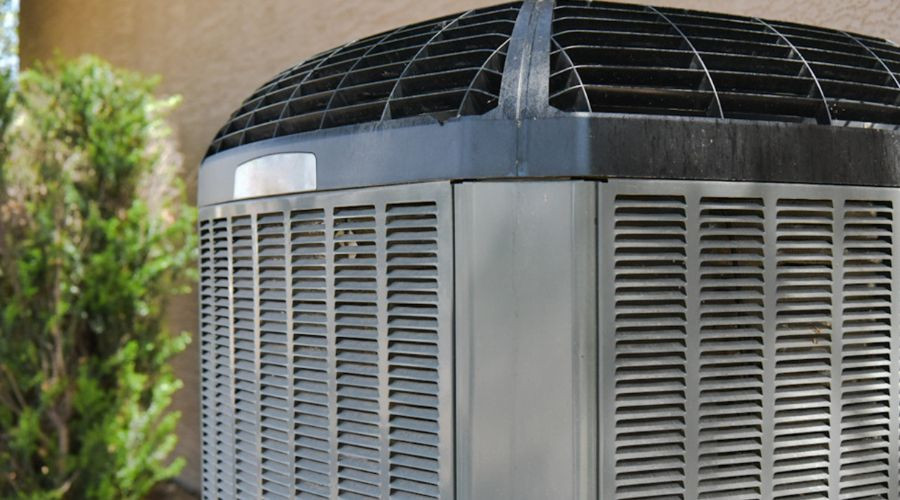
Air conditioning unit outside a home, showcasing central AC system design, relevant to choosing between central and ductless mini split systems.

Staying Cool with Central Air vs. Ductless Mini Splits

Choosing Between a Central AC and a Ductless Mini Split System

Homeowners looking to improve home cooling often face a choice between a central AC system and a ductless mini split system. Both systems present specific benefits influenced by the home’s design, the presence of ductwork, and the family’s energy efficiency goals. 

Understanding the distinctions between a central air conditioning system and a ductless mini split system, along with their installation needs and operating considerations, helps homeowners select the solution that provides maximum comfort, cost-effectiveness, and reliable efficiency for years to come.

Central Air Conditioning

vent A central air conditioning system uses ductwork to distribute cooled air evenly throughout a home. One of the key benefits of installing a central AC system is cost efficiency, especially if the home already has existing ducts. In such cases, installing a new central air conditioner is generally much less expensive than switching to a ductless mini split system. Central AC systems also provide convenience, as homeowners can control the temperature for the entire home using a single thermostat. This uniform cooling ensures consistent comfort across all rooms without the need for multiple units.

Ductless Mini Split Air Conditioner

acThe ductless mini split system is a versatile cooling solution that does not require ductwork. Composed of an outdoor compressor and one or more indoor air handlers, a ductless mini split air conditioner delivers customized cooling for specific areas of the home. Its energy efficiency is a major benefit, as it avoids the energy losses associated with traditional duct systems. Ductless mini split installation is flexible, making it suitable for homes without ducts, home expansions, or rooms where installing ducts would be difficult. Homeowners enjoy individualized zone control, improving comfort and lowering energy use.

Factors to Consider Before Installation

Several factors can influence the decision between a ductless mini split and a central AC system. Homeowners should evaluate whether their home already has existing ductwork or if the layout makes duct installation difficult or costly. Other considerations include whether they prioritize a lower upfront installation cost or lower monthly operating costs. Additionally, preferences for temperature control play a role: central air conditioners provide consistent cooling throughout the home. At the same time, ductless mini split systems allow for zone-specific cooling, enabling homeowners to cool only occupied areas and reduce energy consumption. By weighing these factors, homeowners can select the system that best fits their comfort needs and budget.

About The Bosworth Company

The Bosworth Company, based in Midland, TX, provides trusted plumbing, heating, and air conditioning services for residential and commercial clients. With background-checked technicians, 24/7 live answering, and a 100% satisfaction guarantee, the family-oriented, community-focused company delivers reliable solutions while giving back to the Permian Basin. Call them today for air conditioning services in Midland, TX.

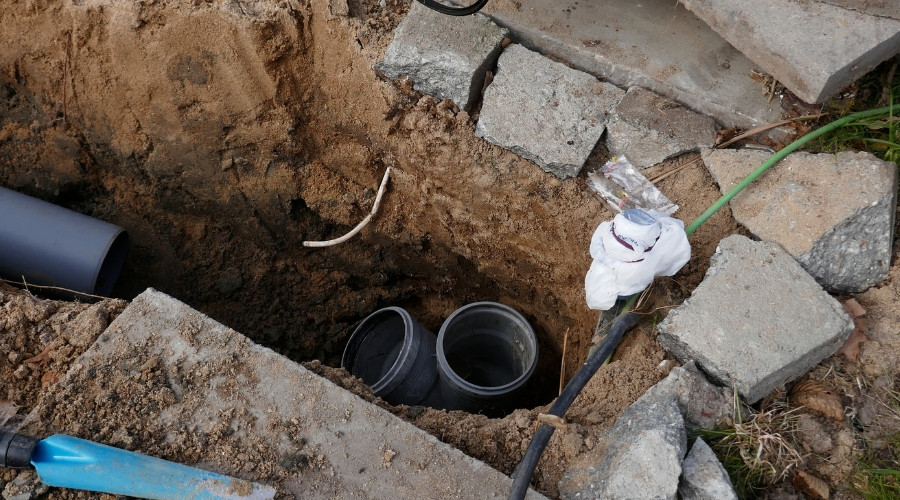
Excavated trench with visible underground pipes and tools, illustrating trenchless pipe repair methods relevant to plumbing services by The Bosworth Company.

Exploring the Benefits of Trenchless Pipe Repair

What Makes Trenchless Repairs Better Than Other Repair Methods

When underground pipes require repair or replacement, advanced alternatives are now available. Trenchless pipe repair is one of the most efficient and least disruptive methods. Compared to older excavation techniques that often involve large-scale digging and lengthy cleanup, trenchless solutions minimize disruption to landscaping and daily life, providing significant benefits that often make them the better choice.

Less Invasive

pipe Trenchless pipe repair offers a major benefit in its reduced invasiveness compared to traditional methods. Conventional pipe repairs typically require large trenches to be dug, which can significantly disrupt yards, gardens, driveways, and sidewalks. This disruption often results in a long restoration process and additional costs to repair the landscape or hard surfaces. On the other hand, trenchless technology uses small access holes, preserving the majority of the property’s original condition.

Without the need for major excavation, the cleanup process is simplified and much faster. Homeowners won’t face the stress and expense of restoring damaged lawns or replacing concrete slabs. This less disruptive approach also means that daily routines are interrupted far less, and the entire repair is more convenient and efficient from start to finish.

Faster

time Trenchless pipe repair isn’t just cleaner, it’s also significantly faster. Traditional methods that require excavation can take several days or more, depending on the job’s complexity and the extent of ground disturbance required. Trenchless technology streamlines the entire process by eliminating the need for digging and minimizing manual labor, allowing repairs to be completed much more quickly.

In many cases, trenchless repairs can be completed in a single day. This means less downtime for homes or businesses and a quicker return to normal use of the plumbing system. The streamlined process saves time for both contractors and property owners alike.

Durable

Trenchless solutions provide a fast and minimally invasive approach to repairing and replacing pipelines. Utilizing high-quality materials, such as cured-in-place pipe liners and seamless HDPE piping, these methods are designed to resist corrosion and withstand harsh environmental conditions over time. As a result, trenchless pipe repairs serve as long-term solutions rather than temporary fixes. By opting for a durable repair method, property owners can effectively prevent future issues, ultimately saving both time and money on maintenance.

About The Bosworth Company

The Bosworth Company delivers reliable plumbing, heating, and air conditioning services across Midland and the Permian Basin. Backed by a 100% satisfaction guarantee and 24/7 live answering support, their team is dedicated to delivering exceptional service and upholding strong community values. For expert trenchless pipe repair in Midland, TX, call today.

What Makes EV Charging Stations a Smart Investment?

All About Electric Vehicle Charging Stations

Installing an electric vehicle charging station can provide long-term savings, increased convenience, and added property value. A home-based charger minimizes the need for frequent visits to public charging facilities, helping to reduce overall charging downtime. By integrating this technology into a property, transportation routines become more efficient and reliable. The investment not only supports daily needs but also enhances the home’s appeal in a rapidly evolving market.

What Are Electric Vehicle Charging Stations?

ev charging Electric vehicle charging stations supply electricity directly to a vehicle’s battery through a cable connection. These systems convert alternating current (AC) from a household electrical grid into direct current (DC) for battery storage. They function similarly to traditional fuel pumps but cater specifically to electric vehicles.

Charging begins once the connector is plugged into the vehicle’s port, forming a controlled electrical link. Communication between the charger and vehicle ensures safe and efficient power flow. Residential stations often allow overnight charging, especially with Level 2 setups, offering full battery capacity in significantly less time than standard wall outlets.

Types of Electric Vehicle Charging Stations

Electric vehicle charging stations are typically categorized as Level 1 or Level 2 based on speed and power requirements. Level 1 stations use standard 120-volt outlets and are the most basic and accessible form of charging, offering around 3–5 miles of range per hour. Installation is simple, but charging is slow, making them suitable for minimal daily driving needs.

Level 2 chargers use 240-volt outlets, similar to those powering large household appliances. These stations provide a much faster charge—approximately 25–40 miles of range per hour—and are better suited for regular or longer-distance driving patterns. For homes that serve as the primary charging point, Level 2 stations are often the more practical and future-proof choice.

Benefits of Electric Vehicle Charging Stations

save money Residential EV charging eliminates reliance on public infrastructure and allows for more control over daily charging routines. With a charger at home, vehicles are typically ready each morning without the need to detour for power. This consistent availability helps streamline planning and travel.

Charging at home also offers economic benefits, with residential electricity rates generally lower than public charging fees. Households often see annual savings ranging from $800 to $1,200. In addition, installing a charging station can raise property value, as homes with built-in EV support attract more attention from buyers seeking eco-conscious features and modern conveniences.

About The Bosworth Company

The Bosworth Company is a reliable plumbing, HVAC, and electrical services company serving Midland, TX, and beyond. They offer the latest technology, a 24/7 live answering service, and a satisfaction guarantee. Call them for EV charging stations installation in Midland, TX.

Is It Time to Replace Your Air Conditioner? Look for These Signs

How To Know When AC Replacement May Be Needed

A failing cooling system can create discomfort and lead to costly repairs, often at the worst possible time. Recognizing the signs early makes it possible to avoid emergency breakdowns and improve overall HVAC efficiency. This guide outlines clear indicators that suggest it’s time to replace the air conditioner, offering practical steps and expert-backed insights for a smoother, more cost-effective transition.

Old Age

hvac An aging air conditioner often shows subtle signs before a complete failure occurs. Most residential systems have a lifespan of 10 to 20 years. Once a unit surpasses the ten-year mark and begins exhibiting performance issues, replacement is often more practical than continued repairs. According to ENERGY STAR, upgrading a unit over ten years old can reduce cooling costs by 20–40%.

Even with regular maintenance, older HVAC systems gradually lose efficiency. Rising energy bills, uneven cooling, or longer run times may indicate a system struggling to keep up. Many older models also rely on outdated refrigerants, which are being phased out due to environmental regulations, making repairs more expensive and parts harder to source.

Consider the system’s age and service history when evaluating whether to repair or replace. A unit over 12 years old that requires frequent repairs or struggles to maintain consistent indoor temperatures often delivers better long-term value through replacement. Newer air conditioning systems feature advanced technology designed for greater energy efficiency and improved indoor comfort benefits that continue paying off through reduced utility expenses and fewer breakdowns.

Frequent Repairs

hvac An increasing number of service calls often signals deeper issues within an HVAC system. When multiple repairs are needed within the same year, continuing to patch the problem may be more costly than investing in a new, energy-efficient system. Repair frequency generally spikes as systems near the end of their lifespan.

The “50% rule” is a common guideline among HVAC professionals. If a single repair costs more than half the price of a new unit, replacement typically offers a better return on investment. Energy Star also notes that modern systems consume up to 40% less energy than those manufactured a decade ago.

Frequent HVAC malfunctions not only affect the budget, but they also impact daily comfort. Breakdowns happen during peak summer conditions when the system is most stressed. Replacing an unreliable air conditioner with a modern, high-performance unit eliminates this cycle of uncertainty and delivers consistent, efficient cooling. Peace of mind and uninterrupted comfort become standard, not seasonal luxuries.

High Energy Bills

A steady rise in electricity bills without a significant change in usage patterns may indicate declining HVAC efficiency. Older air conditioners often require more energy to deliver the same level of cooling, especially when components begin to wear out or refrigerant levels fluctuate.

Several factors contribute to this inefficiency. Poor maintenance allows the buildup of dust and debris, which strains the system. Mechanical issues or refrigerant leaks also reduce performance. However, the most common reason is simple age. Even well-maintained units degrade over time and eventually fail to meet modern energy standards. The Department of Energy states that today’s air conditioners must meet efficiency standards 30% higher than those from just ten years ago.

When recent repairs fail to restore efficiency, replacement becomes the more cost-effective option. New units with advanced compressors, variable-speed motors, and environmentally friendly refrigerants deliver superior performance while consuming less electricity. Over time, the cost savings on energy bills can quickly offset the investment in a new unit.

About The Bosworth Company

Established in 1949 in Midland, TX, The Bosworth Company has evolved from a small plumbing operation into a trusted plumbing, heating, and air conditioning service provider across the Permian Basin. With a longstanding commitment to quality, integrity, and community, the company serves residential and commercial clients while maintaining a legacy of trusted service and regional leadership in the HVAC industry. Call them for a reliable air conditioning replacement in Midland, TX!

How to Prevent and Identify Toilets Issues

How to Better Care for a Home’s Toilets

In today’s guide on ways to prevent and identify toilet problems, unpredictable clogs and high repair bills can become a thing of the past. Expert tips here cover essential toilet maintenance and early plumbing issue detection, helping keep bathrooms running smoothly. Peace of mind and a hassle-free home are achievable—no more messy emergencies. With simple, practical advice, mastering proactive care becomes easy. Dive into these life-saving solutions.

Signs a Toilet Needs Repair or Replacement
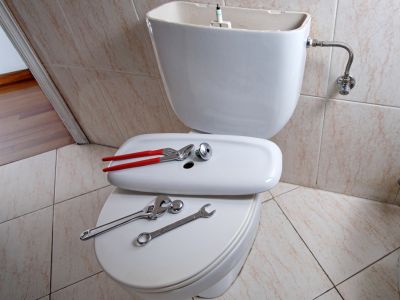
toilet repairTroubling symptoms often signal when a toilet requires repair or replacement. Timely attention can prevent unexpected bathroom emergencies and costly water damage. A properly functioning toilet should operate quietly, flush completely, and remain leak-free for its typical lifespan of 15–20 years.

One of the clearest signs is a toilet that runs continuously after flushing. This ongoing water flow can waste up to 200 gallons daily, raising water bills significantly. Leaks around the base often point to a failed wax ring or cracked porcelain, both requiring professional assessment. Weak or incomplete flushes may indicate clogged trapways or low water levels in the tank—issues that might be repairable, but persistent problems often make replacement more cost-effective.

Physical damage also suggests replacement. Hairline cracks in the tank or bowl tend to worsen over time, eventually causing serious leaks. Frequent clogging despite proper plunging suggests internal flaws or age-related deterioration. Modern toilets offer efficient models using 1.28 gallons per flush or less, compared to older units that consumed 3–5 gallons. When repair costs near $200 or the toilet is over a decade old, replacement usually provides better long-term value.

Consistently malfunctioning toilets often signal internal component failure or structural wear that cannot be fixed through temporary solutions. Ongoing repairs accumulate costs without resolving underlying issues. Toilets manufactured before 1994 use significantly more water per flush than today’s efficient alternatives. According to the EPA, switching to a WaterSense-labeled model can cut water use by 60% annually and save roughly $140 per year in water expenses. Older, inefficient toilets also place added strain on community resources during droughts.

Toilets older than 25 years generally display declining performance despite maintenance. Porcelain may crack, mineral buildup may impede flow, and flushing mechanisms often fail to operate efficiently. Replacing these aging systems not only restores function but also introduces modern features such as chair-height seating or dual-flush technology. Bathrooms benefit from plumbing that operates reliably and efficiently.

Tips for Preventing Toilet Clogs

prevent toilet clogsPreventing clogs begins with awareness of what enters the toilet. The simplest rule for clog-free plumbing: flush only toilet paper and human waste. Ignoring this guideline often results in costly plumbing emergencies. Common household items like “flushable” wipes, cotton balls, and dental floss are frequent culprits in stubborn blockages.

Despite their labels, most bathroom wipes do not break down in water. These items remain intact within plumbing systems, eventually causing severe drain obstructions. Likewise, paper towels absorb water but do not dissolve as toilet paper does. A small, covered trash bin placed near the toilet offers a reliable solution for non-flushable items, helping prevent unnecessary service calls.

To support healthy drainage, adopt the following habits:

  • Get a small bathroom trash can for non-flushable items
  • Post simple signs near toilets to promote proper flushing practices
  • Choose fast-dissolving toilet paper to minimize clog risk
  • Conduct monthly maintenance with a flush of hot water and dish soap

Drain health is cumulative. Inappropriate flushing contributes to long-term blockages. Proactive care now prevents emergency overflows later.

Excessive toilet paper remains a top cause of household toilet clogs. Large amounts prevent proper breakdown in pipes, leading to backups and costly repairs. Avoiding this is easier than expected—conserving paper usage per flush dramatically reduces risk.

For heavier usage, a multiple flush strategy works best. Flush once midway and again at the end of use to prevent buildup. This simple habit reduces stress on plumbing and lowers the chance of emergency repairs. Thoughtful flushing supports long-term system health.

How Sewer Lines Impact Toilets

Sewer line issues directly affect toilet performance, often creating widespread drainage problems. Because toilets connect to the largest drain pipes, they typically exhibit the first signs of a clogged or damaged main sewer line.

One clear indicator is simultaneous drainage problems in multiple fixtures. If flushing the toilet causes gurgling in the shower or sink, the sewer line likely has a blockage. Tree root intrusion into aging pipes accounts for around 80% of residential sewer backups, according to industry data. Slower household drainage often signals an impending major blockage.

Toilet and sewer line functions are interrelated. Local toilet clogs affect a single area, while main sewer line problems impact the entire home. Tree roots invade joints in search of moisture, trapping waste and paper. Older systems, especially those with clay or cast iron pipes, face higher risks of collapse or separation.

Improper flushing affects sewer line health, even without immediate symptoms. Items that pass through the toilet can still cause significant downstream blockages. Wipes, hygiene products, and paper towels resist decomposition and contribute to long-term buildup. Dental floss, though small, can tangle with other debris, forming dense obstructions.

The impacts of careless flushing reach beyond bathrooms. Non-degradable materials often catch on pipe joints or existing buildup, gradually restricting flow. Approximately 70% of sewer line blockages can be prevented by proper waste disposal. Adopting a strict policy—only flush toilet paper and human waste – protects plumbing and avoids expensive repairs. Establishing consistent practices within the home safeguards the entire system.

About The Bosworth Company

The Bosworth Company is a reliable plumbing, HVAC, and electrical services company established in 1949, serving Midland, TX, and beyond. They offer 24/7 live answering, trustworthy technicians, and a satisfaction guarantee. Call them for clogged toilet repair in Midland, TX.

Outdoor Lighting Installation Can Transform Outdoor Spaces

Ways to Upgrade the Lighting Outdoors

Outdoor lighting plays a crucial role in enhancing any property’s aesthetics, safety, and functionality. Whether homeowners want to improve security, highlight landscaping features, or simply create an inviting atmosphere for outdoor gatherings, this blog can help them achieve their goals. Embrace the potential of outdoor lighting to elevate the beauty and usability of home spaces and contribute to energy savings and sustainable living. 

Porch and Patio Lighting

step lightingEnhancing porches, patios, and decks with thoughtfully chosen lighting can dramatically improve their look, style, and functionality, transforming these spaces into inviting areas for gatherings after dark. Effective outdoor lighting adds aesthetic appeal and ensures safety and usability during evening hours.

  • Wall lights and lanterns: Wall-mounted lights and lanterns offer a classic yet versatile option to illuminate porches and patios. These fixtures provide ambient lighting that enhances the home’s architectural features while casting a warm, inviting glow. Strategically placing lanterns at entryways, corners, or around seating areas ensures visibility and style.
  • Outdoor pendant lights: Ideal for covered porches or pergolas, outdoor pendant lights add a touch of elegance and sophistication. Available in various designs, from sleek and modern to rustic and vintage, these lights can serve as focal points that complement the overall design theme. Pendant lights directly illuminate key areas, such as dining tables or lounge spots, making outdoor spaces more functional and refined.
  • Step lights: Safety and style go hand in hand with the installation of step lights on porches and decks. These discreet fixtures are embedded into stair risers or along pathways, providing essential illumination to prevent trips and falls while enhancing the ambiance. Step lights can be subtly integrated into the landscape, offering a seamless blend of functionality and design.
  • String lights and spotlights: For a festive and cozy atmosphere, consider adding string lights draped overhead or wrapped around railings. These lights create a magical ambiance perfect for casual get-togethers or romantic evenings. On the other hand, spotlights can be used to highlight specific landscape features or architectural details, adding depth and dimension to outdoor spaces.

By incorporating these various lighting options, homeowners can enhance their porches, patios, and decks, making them more inviting and enjoyable for entertaining after dark. 

Landscape Lighting

Landscape lighting is a transformative addition to any property, providing functional illumination and aesthetic enhancement to gardens, driveways, and various outdoor spaces. Homeowners can highlight the natural beauty and architectural features of their property, creating an inviting ambiance that extends beyond daylight hours.

  • Garden and pathway lighting: Subtle garden lights positioned along pathways or flower beds not only enhance safety but also accentuate the beauty of a well-tended garden. These lights can create enchanting walkways that guide guests through outdoor spaces, offering an illuminated path that reveals the intricacies of plant life and garden structures after dark. Soft, low-level lighting works best for creating a gentle glow that enhances rather than overwhelms the natural features.
  • Tree and plant highlighting: Uplights or spotlights at the base of trees and shrubs showcase their form and structure. By directing light upwards, homeowners can emphasize the texture and color of foliage, creating dramatic shadows and a sense of depth. This technique is particularly effective with prominent, mature trees or distinctive plants, adding a focal point to the landscape that draws the eye.
  • Architectural accent lighting: Landscape lighting can also serve to highlight architectural elements of a home, such as stonework, columns, or arches. Wall washing, a technique that involves placing lights at the base of a surface to project light upwards, creates a soft illumination that accentuates the texture and details of exterior walls and features. This approach not only enhances curb appeal but also adds a layer of sophistication to the property’s overall appearance.
  • Driveway and entrance illumination: Ensuring the driveway and main entrances are well-lit enhances not just the aesthetic appeal but also the safety of the property. Bollard lights or recessed driveway lights can guide vehicles and pedestrians safely while complementing the overall landscape design. These lights add a welcoming glow to the property, making it inviting to guests and family members returning home.

By carefully selecting and placing landscape lighting, homeowners can enrich their outdoor spaces, adding beauty and functionality. 

Security Lighting

security lightingOutdoor lighting is not only an aesthetic enhancement but also a crucial element in boosting the safety and security of any property after dark. By strategically incorporating various types of security lighting, homeowners can deter potential intruders and ensure a safer environment for themselves and their guests.

  • Motion sensor lighting: Motion sensor lights are a powerful tool in securing a property, as they illuminate whenever movement is detected. This sudden light activation can startle and deter potential intruders, drawing attention to suspicious activity. Typically installed near entry points such as doors and windows, these lights offer peace of mind and act as a preventative security measure without the continuous energy consumption of traditional lighting.
  • Step lights: Proper illumination of outdoor steps is essential for preventing accidents and ensuring the safety of residents and visitors. Step lights, embedded into stair risers or placed along the edges of steps, provide ample visibility, reducing the risk of trips and falls. This added layer of safety is especially important in areas frequently used after dark, such as entrance steps or deck stairs.
  • Pathway and landscape lighting: Well-lit paths and walkways not only enhance the aesthetic appeal of a property but also serve an important security function. By illuminating paths with strategically placed landscape lighting, homeowners can guide guests safely across the property while preventing accidents caused by unseen obstacles. These lights can be solar-powered or connected to a low-voltage system, offering a sustainable and cost-effective solution for pathway illumination.
  • Spotlights and floodlights: For more extensive coverage, spotlights and floodlights can illuminate large areas, including driveways, backyards, and perimeters. These lights provide a wide beam of illumination that covers substantial ground, leaving fewer dark spots where intruders might hide. Such lighting enhances visibility, making it easier to monitor outdoor spaces and ensure that no areas are left in complete darkness.

Incorporating security lighting into outdoor design not only improves the security of a home but also contributes to the overall safety and usability of the property.

About The Bosworth Company

The Bosworth Company has an A+ rating from the Better Business Bureau. They guarantee knowledgeable and friendly staff when you work with their team. Contact them today for outdoor lighting installation services in Midland, TX.

What to Know About Geothermal Heating and Cooling Systems

Geothermal Heat Pumps Explained

The earth’s underground temperature stays the same no matter the season, making it a perfect energy source for heating and cooling. Geothermal heat pumps tap into this stable energy, warming homes in the winter and cooling them in the summer. This eco-friendly and cost-effective system reduces energy costs while providing comfort all year. Exploring how it functions, benefits, and when to service it shows how combining the earth’s natural energy with modern technology creates a reliable and efficient system for homeowners.

What Is a Geothermal Heat Pump?

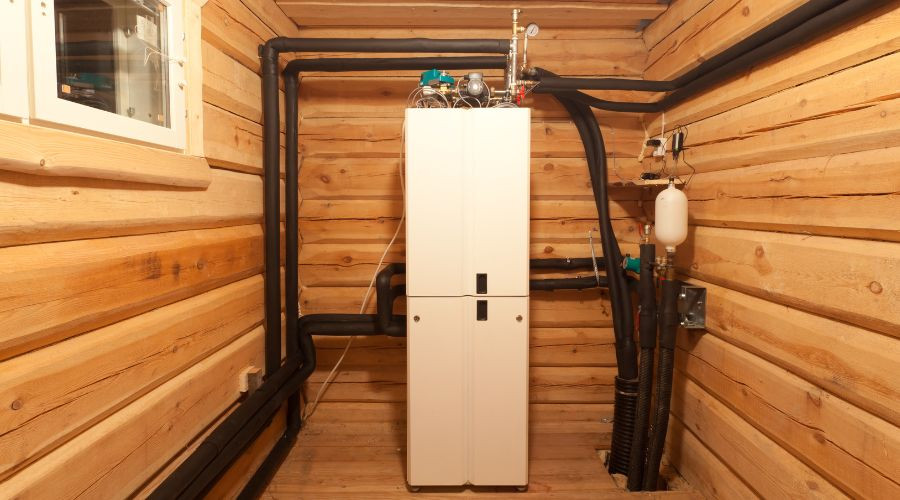
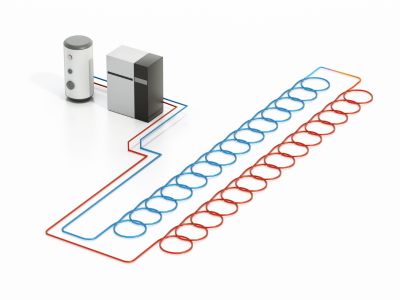
heat pump Ground-source heat pumps, also known as geothermal heat pumps, effectively utilize the Earth’s stable underground temperature to control heating and cooling. By harnessing the Earth’s renewable energy, they provide a superior, eco-friendly alternative to traditional fuel-based heating systems. This ensures that geothermal heat pumps deliver consistent comfort in homes throughout the year while significantly reducing environmental impact.

During winter, the geothermal heat pump system takes heat from the ground and brings it inside to keep things cozy. In the summer, it flips things around, pulling heat from inside and sending it back underground to cool off the air. Because the earth’s temperature stays pretty steady, this system runs smoothly all year long.

Geothermal System Benefits

save money Several key benefits come with installing a geothermal heat pump system:

  • Exceptional Energy Efficiency: Geothermal systems transfer heat rather than generate it, consuming far less energy and significantly lowering utility expenses.
  • Lower Operating Costs Over Time: Although initial installation costs may be higher, geothermal systems reduce energy bills in the long run, offering excellent value over time.
  • Environmental Advantages: Geothermal heat pumps emit fewer greenhouse gases, making them an environmentally responsible choice.
  • Noise-Free Operation: Unlike traditional systems with outdoor units that generate noise, geothermal systems operate quietly and have underground components.
  • Impressive Lifespan: The underground loop system can last more than 50 years, and the indoor heat pump unit typically remains efficient for 20–25 years, providing a longer-lasting solution than most HVAC systems.

Signs a Geothermal System Needs Service

Geothermal heat pumps are known for their durability, but occasional issues may arise that require servicing. Watch out for these signs that suggest it’s time for a check-up:

  • Surge in Energy Costs: A sharp rise in energy bills could mean the system is not functioning properly, likely due to a faulty component.
  • Difficulty Maintaining Temperature: If the system has difficulty maintaining the desired temperature, the heat pump or underground loop may be malfunctioning.
  • Moisture or Pooling Water: Visible leaks or water accumulation around the geothermal unit might indicate a refrigerant or water line issue that needs to be addressed.
  • Unusual Sounds: Uncommon noises like grinding or hissing could signal mechanical problems within the system that need professional attention.
  • Burning Odor: A burning smell from the system suggests an electrical fault or overheating parts, which should be inspected immediately to prevent further damage.

Regular maintenance and staying alert to these warning signs will help keep the geothermal system running efficiently and reliably.

About The Bosworth Company

With over 70 years of experience, The Bosworth Company has proudly served Midland, Texas, and the surrounding communities with high-quality, reliable HVAC, plumbing, electrical, and air quality services. Their technicians are background-checked, and offer 24/7 live answering with a 100% satisfaction guarantee. Contact them today for expert geothermal heating services in Midland, TX!

Do You Need a Water Softener Installation in Your Home?

What Is Hard Water?

Most water contains some dissolved minerals, but hard water refers to water that contains high quantities of dissolved minerals. Typically, these minerals enter the water when it passes through rock or soil, such as when water is withdrawn from an aquifer or collected from a river or stream. 

Water hardness can be measured, and the results are generally expressed in terms of grains per gallon, abbreviated GPG. It may also be expressed in terms of parts per million. In other words, a water sample may have 10 parts of a mineral for every one million parts of water. Installing a water softener can help reduce the mineral content in hard water, improve water quality, and protect your plumbing.

Some of the Common Signs of Hard Water in a House

dry hair The water in a home can be tested to determine whether or not it has hard water. However, there are also a number of signs homeowners can watch for, which may indicate that the home’s water has a lot of dissolved minerals. 

Dry hair and skin are among the most common observations people notice when using hard water. Another common sign is dishes that have spots after they’ve been washed in the dishwasher. Bathroom fixtures, including faucets, handles, and spray heads, may develop stains or deposits in homes with hard water. Clothes that fade quickly may be another sign that the water in a home is hard. 

Fortunately, it is easy to address these issues; homeowners can simply install a water softener in their homes. 

What Do Water Softeners Do? How Do They Work?

water softenerWater softeners remove some of the minerals in hard water to make the water softer and eliminate some of the problems hard water causes. They do this through the use of salts kept in a reservoir. 

When water passes from the home’s pipes and into the water softener reservoir, it comes into contact with small beads that bear the opposite electrical charge. These beads, which are coated with sodium or potassium ions (salts), then release the ions into the water, while the calcium and magnesium ions present in the hard water stick to the beads.

In effect, the calcium and magnesium in the water are replaced by sodium or potassium ions, which do not cause hard water problems.    

Important Benefits of a Whole Home Water Softener System

A whole home water softening system provides a variety of benefits. Following water softener installation, most homeowners will notice that their skin and hair feel better after bathing. They will also tend to notice that their dishes are cleaner when emerging from the dishwasher and that they have fewer spots. Many also notice that their clothes don’t fade as they did before installing a whole-house water softener, and sometimes, their clothes may even last longer. 

Also, because hard water can take a toll on appliances, water softening systems also help increase the lifespan of water-using appliances, including dishwashers, washing machines, and water heaters. 

About The Bosworth Company

The Bosworth Company utilizes only the latest technology to ensure homeowners get the best, most up-to-date repairs possible. Serving the Permian Basin since 1949, The Bosworth Company only employs trustworthy, competent team members to ensure satisfied customers. Contact them today for water softener installation services in Midland, TX

How To Protect The Home Against Power Surges

Protect the Home’s Appliances With a Whole House Surge Protector

In today’s world, electricity is a necessity. Every home relies on a steady supply of electricity nearly as much as a steady supply of clean water. But like anything else, too much electricity can be a bad thing. A sudden increase of electrical current exceeding a specific threshold (usually 169 volts for a typical home) is known as a power surge. 

Power surges occur for various reasons, but when they do, they can seriously damage the home’s electrical system and any devices plugged into it. This article will discuss the basics of power surges and how they can protect the home.

Causes and Dangers of Power Surges

outlet on fire There are many causes of power surges, but they can generally be divided into two categories: those originating inside the home and those that come from outside the home. 

Power surges can occur inside the home due to faulty wiring, circuit overloads (plugging too many devices into a single circuit), and turning on large appliances (air conditioners, refrigerators, etc.). 

Outside the home, they may occur due to lighting striking too close to electrical infrastructure, tree limbs or vehicle crashes, downing power lines, power being restored after an outage, or utility company issues.

No matter the cause, power surges send excessive electrical current into the home’s circuits. This can gradually degrade the home’s electrical equipment and damage or destroy any electronics or devices plugged into the affected circuits. In some cases, devices can even overheat and ignite, potentially starting an electrical fire.

Whole Home Surge Protector Benefits

surge protectorHomeowners can employ some form of surge protection to protect against the dangers of power surges. Simply put, a surge protector absorbs any excess voltage detected in a circuit, preventing it from reaching the devices plugged into it. 

A power strip surge protector is the most commonly recognizable form of surge protection. However, as helpful as these are, they can only protect a few devices on a single circuit. Therefore, homeowners must have surge protector power strips at nearly every outlet in the house to protect all of their devices.

Alternatively, they can opt for a whole-house surge protector, typically installed at the main electrical panel or circuit breaker. As the name suggests, these protectors can shield every circuit in the home from sudden spikes in voltage. 

Whole-house surge protection doesn’t just help prevent damage to electronics plugged into ordinary wall outlets. Still, it also protects larger appliances that can’t be plugged into power strips (laundry machines and HVAC systems, for example) and the home’s built-in electrical hardware.

Signs an Old Surge Protector Needs Replacing

Surge protectors are designed to absorb joules of electricity, but they eventually reach their limit (different models have different capacities). When that happens, they no longer provide protection, exposing devices and circuits to surges. Unfortunately, it’s not always easy to tell when a surge protector has “expired.”

Some power strip surge protectors will stop providing power when they stop working. Some power strips and whole-home surge protectors have indicator lights or alarms to alert homeowners when they stop working. However, not all models offer these helpful indicators.

Generally, a whole-house surge protector should be replaced every 2-5 years. However, if homeowners have experienced outages or multiple thunderstorms, it may be better to replace it sooner. When in doubt, it’s best to have a qualified electrician perform yearly electrical inspections to protect the home against unexpected power surges!

About The Bosworth Company

The Bosworth Company has been the go-to resource for plumbing, heating, and electrical services in Midland, TX, since 1949. They offer 24/7 emergency services, up-front pricing, financing options, and a 100% satisfaction guarantee on every job. They are an award-winning, BBB A+ rated business with thousands of 5-star reviews, so homeowners know they’re in great hands when they call The Bosworth Company for surge protector installation in Midland, TX!

Is the Boiler Ready for Winter?

Keep the Home Warm With Boiler Services

As temperatures drop, keeping the home warm and cozy becomes essential. Boilers are a common alternative to central heating systems, but like furnaces, they need proper maintenance and a knowledgeable owner to work well. Here is a quick guide to basic boiler operation, common boiler problems, and a few tips to help owners get the most out of their boilers.

Basics of Boiler Operation

save money Boilers are heating devices that heat water and circulate it as steam or hot water through pipes and radiators to warm the home. Unlike forced-air heating systems, which rely on ductwork and blowers, boilers provide a quieter, more even heat distribution, making them especially suitable for colder climates.
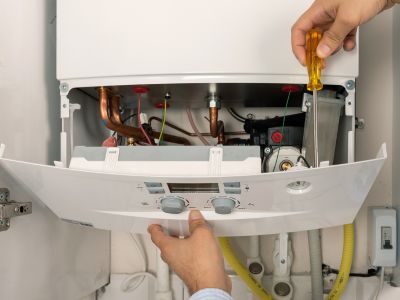
One key advantage of boilers is that they tend to be more energy-efficient than other central heating options. Since boilers heat water instead of air, they can retain warmth for longer, helping maintain a consistent indoor temperature without frequent on-off cycles. Boilers also offer versatility as they can be fueled by electricity, natural gas, oil, or even renewable energy sources like solar power, allowing homeowners flexibility in fuel options.

A common concern with boilers is the danger of steam. While boilers in the past relied on steam to circulate heat around the home through radiators, underfloor heating, or baseboard heaters, modern boilers generally use hot water. Hot water is easier to contain than pressurized steam, making a safer heating system that experiences less wear and tear. Many homes even rely on their boiler to provide hot water for cleaning and bathing. 

Common Boiler Problems

Boiler systems are reliable but can succumb to their problems after a lack of maintenance or too many years of service. Boiler systems are integrated, so often, one problem will spread to another part of the system, so early detection and repair are key to boiler longevity. Some of the most common problems owners need to look out for are: 

  • Leaks: Boilers and much of their plumbing are made of iron-based metals, which makes them subject to corrosion and leaks. Additionally, pipe joints and seals can fail over time, allowing water to leak. 
  • Kettling: Boilers must be flushed to remove sediment. When sediment builds up in the boiler, it inhibits heat exchange, lowering efficiency and making a rumbling noise. 
  • Low Pressure: If pressure drops in a boiler, it is due to leaks or a failure of the automatic fill valve. Keeping an eye on the pressure helps maintain a reliable system. 

Tips for Boiler Efficiency 

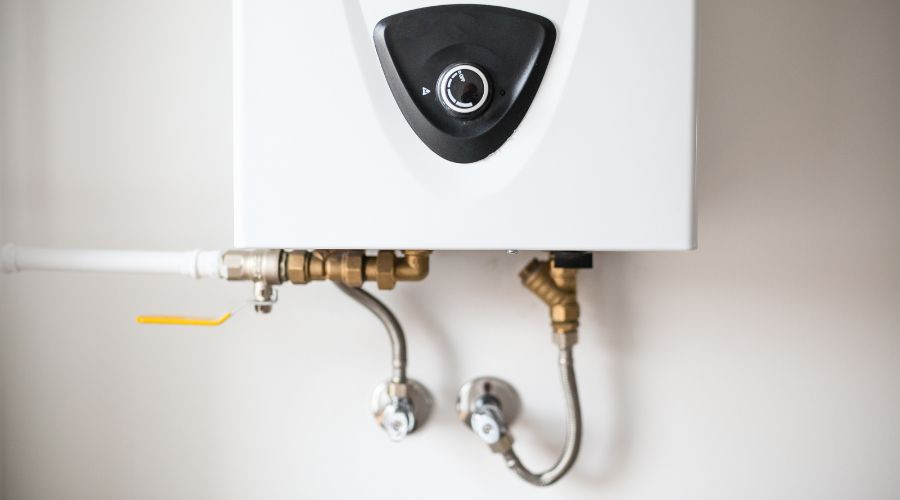
water heater service Water is better at holding heat, so boilers are inherently more efficient than central heating systems. However, owners can do a few things to get more out of their boiler. First, purchasing Energy Star boilers can save money on bills every month. Secondly, scheduling boiler maintenance every year and handling DIY tasks regularly will keep energy efficiency high. Finally, insulating piping can prevent losing heat as it is transferred to radiators. Owners can keep their homes warm at a manageable price by doing these three things. 

About The Bosworth Company

The Bosworth Company provides and services the latest technology for heating homes and businesses. Their skilled teams perform boiler repairs, plumbing, AC, and electrical work. Call Today for boiler services in Midland, TX.