
How to Better Care for a Home’s Toilets
In today’s guide on ways to prevent and identify toilet problems, unpredictable clogs and high repair bills can become a thing of the past. Expert tips here cover essential toilet maintenance and early plumbing issue detection, helping keep bathrooms running smoothly. Peace of mind and a hassle-free home are achievable—no more messy emergencies. With simple, practical advice, mastering proactive care becomes easy. Dive into these life-saving solutions.
Signs a Toilet Needs Repair or Replacement
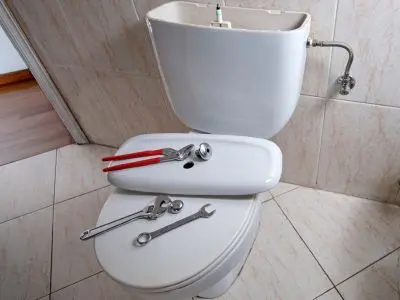
One of the clearest signs is a toilet that runs continuously after flushing. This ongoing water flow can waste up to 200 gallons daily, raising water bills significantly. Leaks around the base often point to a failed wax ring or cracked porcelain, both requiring professional assessment. Weak or incomplete flushes may indicate clogged trapways or low water levels in the tank—issues that might be repairable, but persistent problems often make replacement more cost-effective.
Physical damage also suggests replacement. Hairline cracks in the tank or bowl tend to worsen over time, eventually causing serious leaks. Frequent clogging despite proper plunging suggests internal flaws or age-related deterioration. Modern toilets offer efficient models using 1.28 gallons per flush or less, compared to older units that consumed 3–5 gallons. When repair costs near $200 or the toilet is over a decade old, replacement usually provides better long-term value.
Consistently malfunctioning toilets often signal internal component failure or structural wear that cannot be fixed through temporary solutions. Ongoing repairs accumulate costs without resolving underlying issues. Toilets manufactured before 1994 use significantly more water per flush than today’s efficient alternatives. According to the EPA, switching to a WaterSense-labeled model can cut water use by 60% annually and save roughly $140 per year in water expenses. Older, inefficient toilets also place added strain on community resources during droughts.
Toilets older than 25 years generally display declining performance despite maintenance. Porcelain may crack, mineral buildup may impede flow, and flushing mechanisms often fail to operate efficiently. Replacing these aging systems not only restores function but also introduces modern features such as chair-height seating or dual-flush technology. Bathrooms benefit from plumbing that operates reliably and efficiently.
Tips for Preventing Toilet Clogs
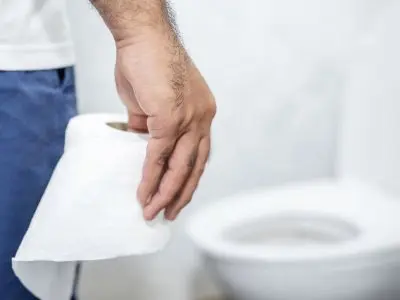
Despite their labels, most bathroom wipes do not break down in water. These items remain intact within plumbing systems, eventually causing severe drain obstructions. Likewise, paper towels absorb water but do not dissolve as toilet paper does. A small, covered trash bin placed near the toilet offers a reliable solution for non-flushable items, helping prevent unnecessary service calls.
To support healthy drainage, adopt the following habits:
- Get a small bathroom trash can for non-flushable items
- Post simple signs near toilets to promote proper flushing practices
- Choose fast-dissolving toilet paper to minimize clog risk
- Conduct monthly maintenance with a flush of hot water and dish soap
Drain health is cumulative. Inappropriate flushing contributes to long-term blockages. Proactive care now prevents emergency overflows later.
Excessive toilet paper remains a top cause of household toilet clogs. Large amounts prevent proper breakdown in pipes, leading to backups and costly repairs. Avoiding this is easier than expected—conserving paper usage per flush dramatically reduces risk.
For heavier usage, a multiple flush strategy works best. Flush once midway and again at the end of use to prevent buildup. This simple habit reduces stress on plumbing and lowers the chance of emergency repairs. Thoughtful flushing supports long-term system health.
How Sewer Lines Impact Toilets
Sewer line issues directly affect toilet performance, often creating widespread drainage problems. Because toilets connect to the largest drain pipes, they typically exhibit the first signs of a clogged or damaged main sewer line.
One clear indicator is simultaneous drainage problems in multiple fixtures. If flushing the toilet causes gurgling in the shower or sink, the sewer line likely has a blockage. Tree root intrusion into aging pipes accounts for around 80% of residential sewer backups, according to industry data. Slower household drainage often signals an impending major blockage.
Toilet and sewer line functions are interrelated. Local toilet clogs affect a single area, while main sewer line problems impact the entire home. Tree roots invade joints in search of moisture, trapping waste and paper. Older systems, especially those with clay or cast iron pipes, face higher risks of collapse or separation.
Improper flushing affects sewer line health, even without immediate symptoms. Items that pass through the toilet can still cause significant downstream blockages. Wipes, hygiene products, and paper towels resist decomposition and contribute to long-term buildup. Dental floss, though small, can tangle with other debris, forming dense obstructions.
The impacts of careless flushing reach beyond bathrooms. Non-degradable materials often catch on pipe joints or existing buildup, gradually restricting flow. Approximately 70% of sewer line blockages can be prevented by proper waste disposal. Adopting a strict policy—only flush toilet paper and human waste – protects plumbing and avoids expensive repairs. Establishing consistent practices within the home safeguards the entire system.
About The Bosworth Company
The Bosworth Company is a reliable plumbing, HVAC, and electrical services company established in 1949, serving Midland, TX, and beyond. They offer 24/7 live answering, trustworthy technicians, and a satisfaction guarantee. Call them for clogged toilet repair in Midland, TX.
)