

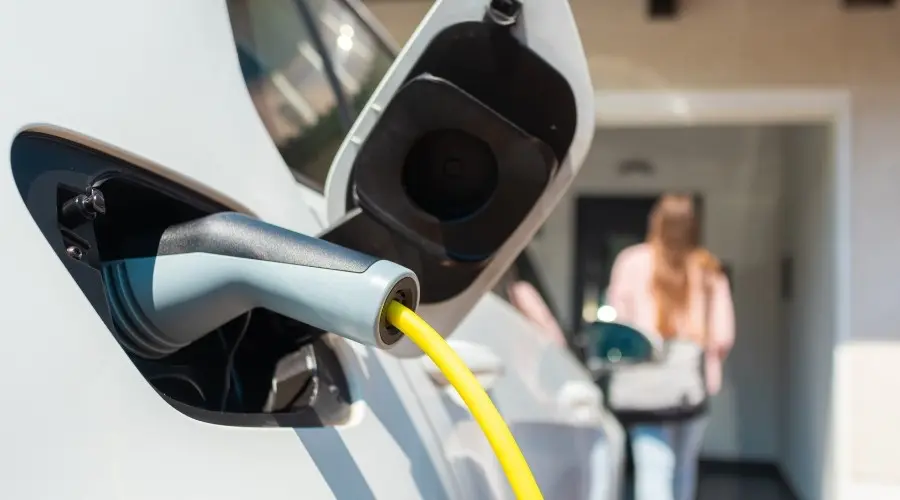
Why Install an Electric Vehicle Charging Station at Home?
Electric vehicles continue to become a familiar sight across neighborhoods, bringing a growing need for dependable charging solutions. A home EV charging station transforms daily charging into a seamless routine while supporting convenience, efficiency, and long-term value. As more households embrace electric transportation, professional EV charging station installation becomes an important step toward reliable energy access at home.
The Benefits of Installing an EV Charger at Home
Each day often begins with a vehicle ready for the road, and that readiness starts with convenient charging at home. A dedicated EV charging station provides reliable access to power without the uncertainty of waiting for an available public charger. That convenience creates a smoother ownership experience and allows charging to fit naturally into everyday life.
As evening arrives and daily activities slow down, charging can continue quietly in the background. Hours spent sleeping or working from home become valuable charging time, allowing battery levels to recover without requiring additional trips or interruptions. That simple shift makes electric vehicle ownership far more practical and efficient.
Savings can also emerge as charging habits become established. Residential electricity rates are often lower than the costs associated with commercial charging networks, creating opportunities for reduced charging expenses over time. Beyond immediate benefits, a home equipped with an EV charger may attract future buyers seeking properties prepared for modern transportation needs.
Understanding EV Charger Options
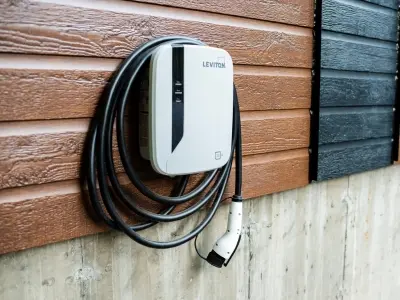
Level 1 charging relies on a standard household outlet and requires little initial setup. Although convenient in some situations, charging times can exceed 30 hours for a full battery recharge. That slower pace may not align with the demands of regular commuting or daily vehicle use.
Level 2 charging stations have become the preferred choice for residential electric vehicle charging. A Level 2 charger can deliver a full charge in approximately 5.5 hours, providing substantially faster performance than a Level 1 charger. That speed allows charging schedules to remain convenient while ensuring dependable access to transportation each day.
What to Consider Before Installation
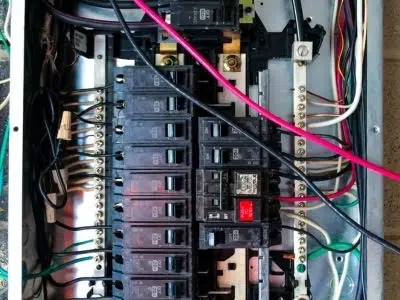
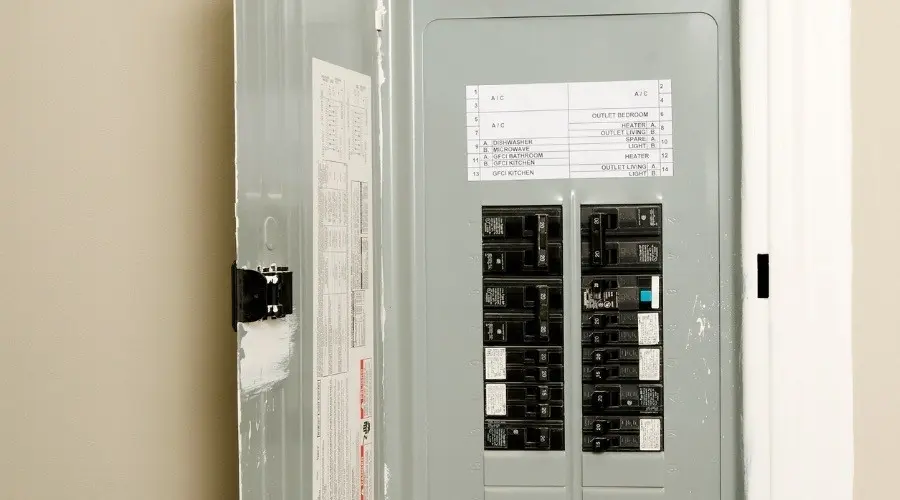
Older electrical panels may lack the available capacity needed for modern EV charging equipment. In such cases, an electrical panel upgrade may be necessary before installation can proceed safely. Many newer homes feature 200-amp electrical panels, which are generally capable of supporting a residential EV charger.
Safety remains a critical part of every electrical installation project. Professional electricians can assess load requirements, verify code compliance, and perform any necessary electrical panel upgrades to prevent potential electrical hazards. Expert installation helps ensure reliable charging performance while protecting both the electrical system and the investment in electric vehicle technology.
About The Bosworth Company
The Bosworth Company is a plumbing, HVAC, and electrical expert company serving Midland, TX, and beyond. They offer 24/7 live answering, trustworthy technicians, and a 100% satisfaction guarantee. Call them today for an electric vehicle charging station installation in Midland, TX.
)

 An
An 
)



)

)

)
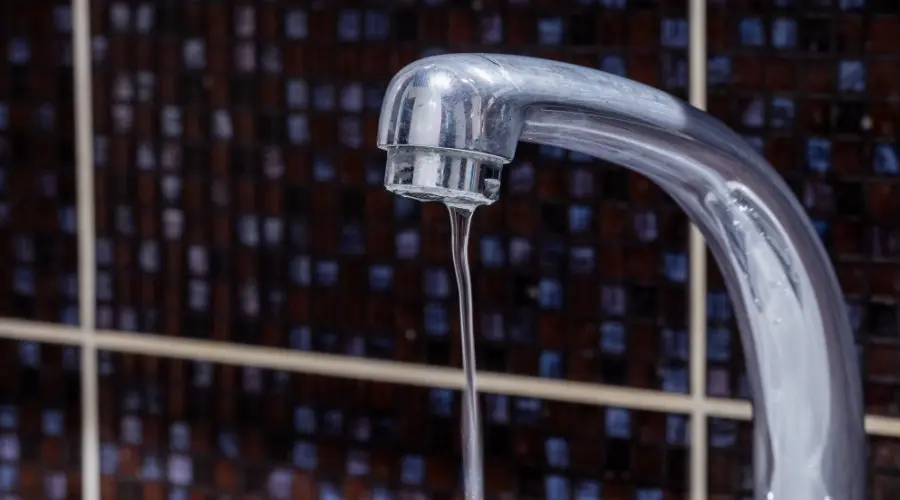

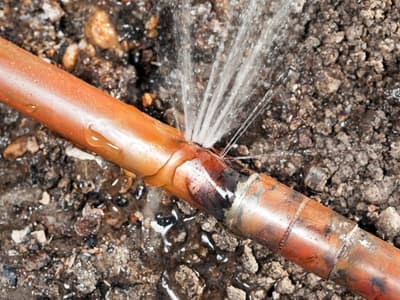 A hidden water leak within supply lines can quietly drain pressure from every faucet in a home. Escaping water reduces the volume available for daily use while increasing utility costs. Early water leak detection uncovers these issues before further damage occurs.
)

)
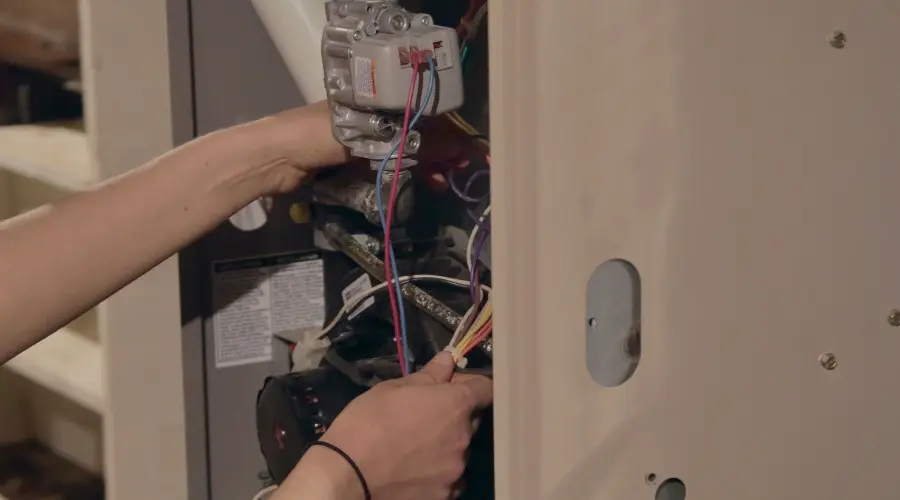

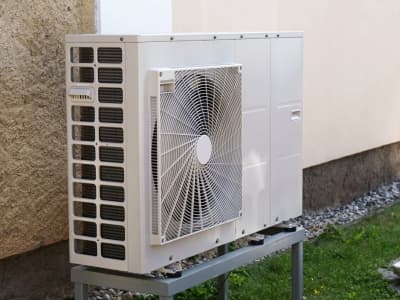 A heat pump works differently from a furnace. Instead of generating heat, it moves heat from one place to another. In cooler months, a heat pump extracts heat from the outdoor air (or ground, depending on the system type) and transfers it indoors. In warmer months, the process reverses so the same unit operates as an air conditioner. This dual function means that a single heat pump installation can provide both heating and cooling, often replacing separate furnace and AC equipment.
)


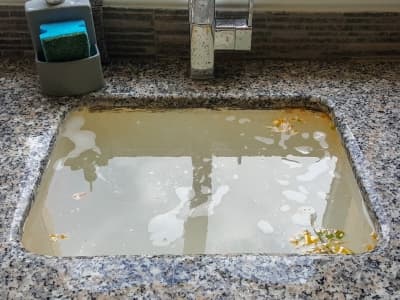 Simultaneous backups in multiple fixtures point strongly to a main sewer line clog rather than a localized drain issue. Wastewater always seeks the lowest exit; when the primary path is obstructed, it often surfaces first through lower‑level floor drains, showers, or basement toilets. Common triggers include tree root intrusion, accumulated wipes or grease, and aging sections of sewer line with rough interiors that catch solids.
)
)